
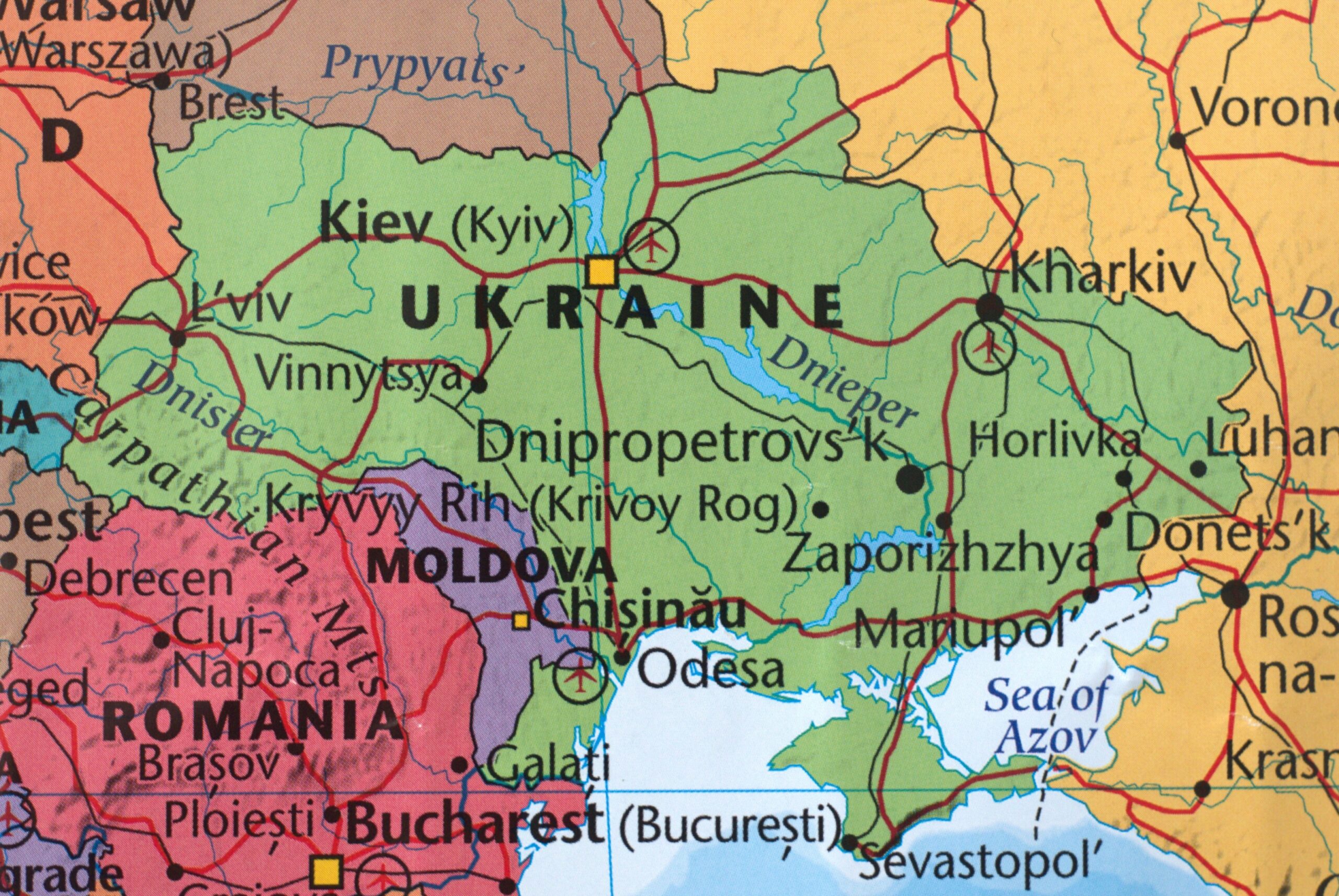
This information was compiled by GWSC Communications Intern Emily Wright, based on a GWSC product completed by Human-Environmental Analyst Caily Schwartz.
As Ukraine works to rebuild after years of conflict, environmental conditions — flooding, wildfires, extreme heat, warming winters, dry spells, and damaged agricultural land — hinder its ability to build stable infrastructure and reliable electricity, as well as export crops to buyers across the globe.
Acknowledging these challenges now could help Ukraine build resilience against reduce future disaster impacts.
Preparation Can Help Shield Ukraine Against Future Floods and Fires
Ukraine has historically struggled with wildfires and flooding, both of which are expected to remain a future concern for the nation.
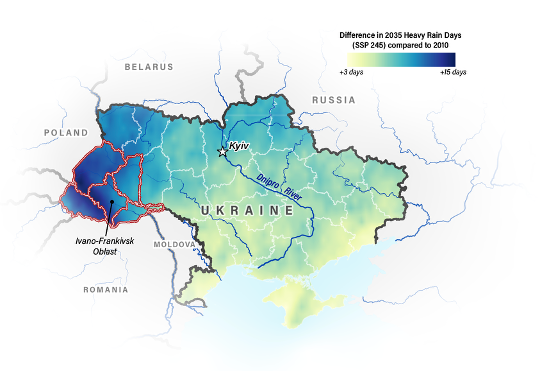
The nation could experience about thirteen days of heavy rain per year by 2035, compared to the 2010 average of six days. More frequent heavy rainfall could increase the risk of flash floods, landslides, and soil erosion.
Flooding can also create public health problems when sewage systems overflow or when floodwater comes into contact with pollutants. Western Ukraine is particularly vulnerable to these events. Widespread flooding in 2020 polluted thousands of wells and caused significant infrastructure damage. Wildfires are another concern for the country.
By 2035, Ukraine could also experience additional periods of extreme heat and dryness, increasing the risk of fires. With the nation already dealing with infrastructure and housing damaged by the war, health and public safety concerns brought on by natural disasters compound issues for Ukrainians.
Despite these challenges, rebuilding provides an opportunity to implement better drainage systems and improve preparation for floods and fires. Such resilience measures could help communities respond more effectively to future emergencies.
Challenges to Planning for Ukraine’s Future Electricity Demand
Ukraine’s energy system also faces significant pressure. Repeated damage to infrastructure has created a cycle of damage and repairs, and the country works to balance electricity supply and demand through imports and renewable energy.
Rising temperatures could make this challenge even more difficult. By 2035, the number of extreme-heat days is expected to increase by about eight days, reaching a total of approximately twenty-seven days per year. Hotter summers could increase the need for air conditioning and other cooling efforts, putting additional pressure on the electrical grid.
At the same time, warmer winters could negatively affect hydropower generation. The Dnipro River basin may experience nine fewer days below freezing by 2035 and twenty fewer days by 2060. These changes in freezing temperatures could affect snowfall and the timing of snowmelt, potentially changing how much hydropower can be produced.
Hydropower is especially important to Ukraine, as it composed about 10% of the nation’s electricity in 2023 and helps to stabilize the electrical grid during periods of high demand. Several power plants across the country have been retired or damaged, further limiting the system’s flexibility.
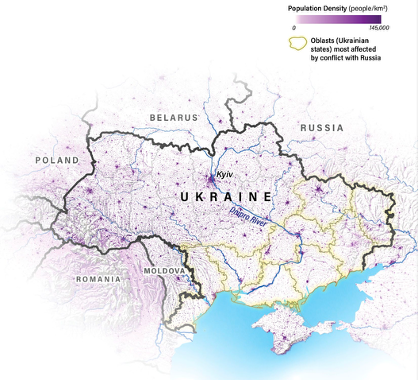
Population changes have added another layer of uncertainty. More than ten million Ukrainians had been displaced by 2024. The potential for these displaced people to return to their nation will affect future electricity demand, making long-term energy planning more complicated.
Ukraine’s Agriculture Sector Could Take Years to Recover
Agriculture is especially important to both Ukraine and global food security. Approximately 40% of Ukrainian households farm, and many of them produce food for their own survival.
However, the country’s agricultural sector is vulnerable to both the effects of war and environmental changes. Almost 98% of agriculture depends on rainfall rather than irrigation. Between 1985 and 2010, the length of seven-day dry spells increased from about seven weeks to approximately fifteen weeks across the nation.
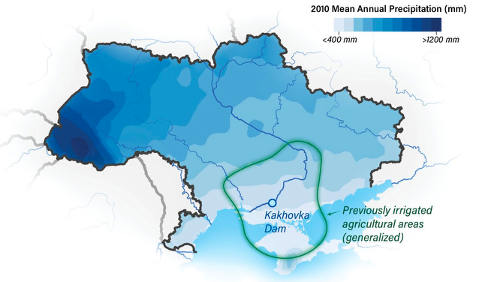
Although projections suggest that the frequency of these dry spells may remain close to 2010 levels by 2035, continued dry conditions during the growing season could still stress crops and reduce yields. Southeastern Ukraine is particularly vulnerable, as it receives less rainfall than many other parts of the country while also producing large quantities of wheat.
Areas that previously relied on irrigation from the Kakhovka Dam are also threatened by dry conditions, since damage to the dam in 2023 has severely limited irrigation capabilities.
Additionally, war has damaged irrigation systems and storage facilities and contributed to soil pollution and compaction. By 2024, an estimated 15% of Ukraine’s farmland was considered unusable.
Healing the land scarred by conflict could require years of effort and significant financial resources. Drought, poor soil health, pollution, damaged infrastructure, and limited irrigation could together make agricultural production less reliable and more expensive.
And because Ukraine is a major contributor to global food security, these problems could extend beyond the country’s borders.
Building Resilience in Post-War Ukraine
The challenges that Ukraine faces are deeply interconnected. Wildfires and floods can damage infrastructure, extreme heat can increase electricity demand, and dry conditions can threaten agricultural production.
Thus, environmental conditions must be considered alongside economic and infrastructure needs in order to successfully rebuild after years of conflict. Preparing communities for natural disasters, strengthening the electrical system, improving water and irrigation infrastructure, and restoring damaged agricultural land could all help reduce future risks.