
This information was compiled by GWSC Communications Intern Emily Wright, based on a GWSC product completed by Human-Environmental Analyst Penelope Mitchell, Postdoctoral Fellow Tharaka Jayalath, and Senior Geospatial Intelligence Program Manager Nick Roberge.
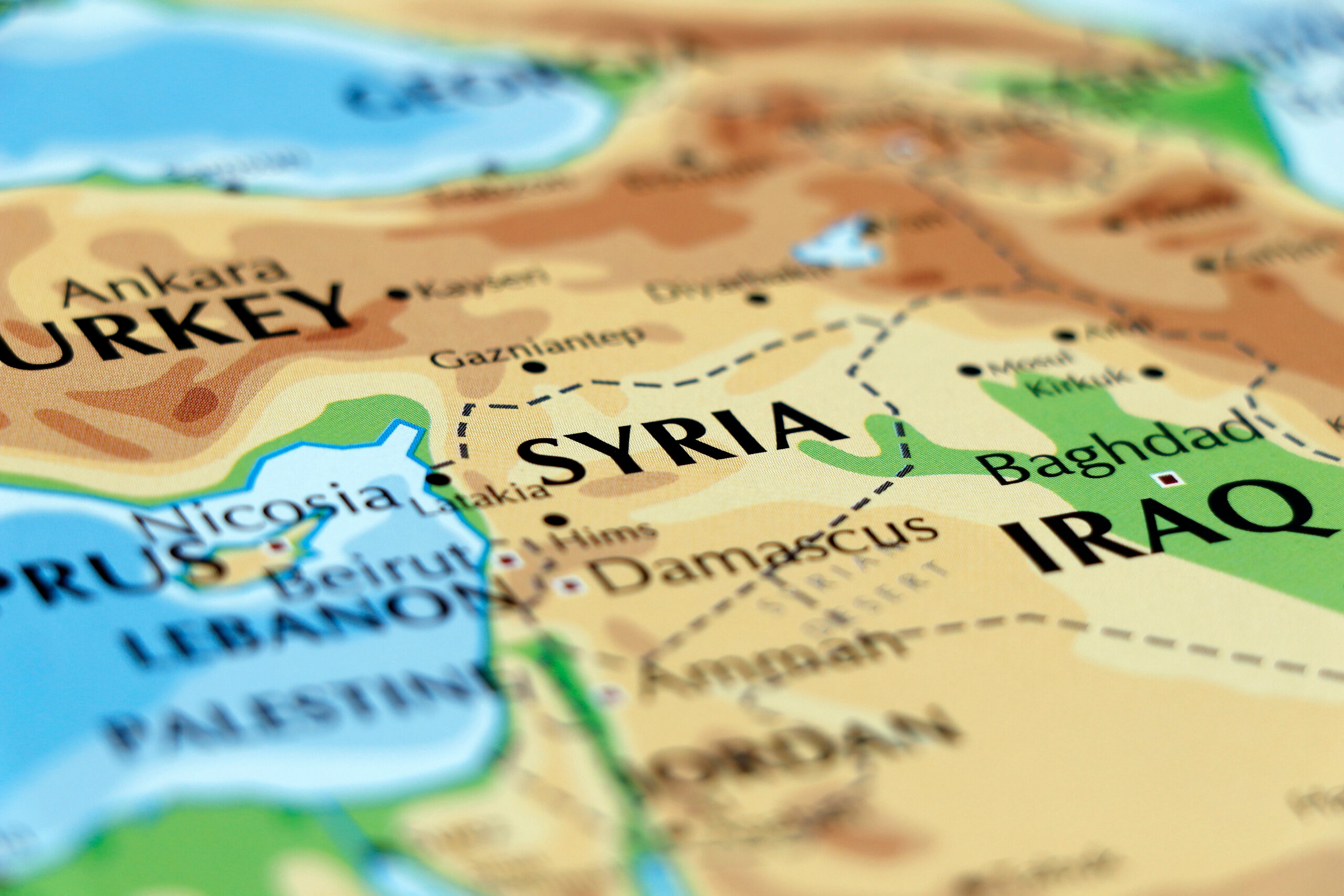
Syria’s dependence on multiple transboundary river systems and its fragile and volatile mix of minority communities, foreign fighters, and resettling populations create challenges to rebuilding from years of war.
As people transition out of Internally Displaced Person (IDP) camps and return at large scales, Syria faces a collapsed environment marked by strained water infrastructure, degraded agriculture, damaged services, and limited institutional capacity to manage mounting pressures.
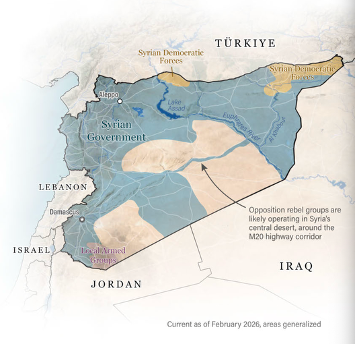
Water System in Crisis: Clean, reliable water grows scarcer in Syria
Syrian water demand has exceeded supply since at least 2000, and factors like declining river inflows, recurring drought, rising temperatures, continued overuse, and years of damaged water infrastructure have exacerbated problems with both the quantity and quality of available water.
Meanwhile, damage and destruction of treatment plants, pumping stations, and distribution systems have caused increased reliance on purchased water and informal boreholes. This leads to more rapid, unmanaged groundwater depletion that increases long-term water security and decreases drought resilience.
Difficulty accessing safe drinking water increases Syrians’ risk of waterborne and respiratory illnesses. Competition over limited water resources has also increased tensions, creating additional instability in areas already recovering from conflict. These humanitarian concerns drive households toward groundwater extraction to secure clean water, further perpetuating the cycle of groundwater depletion.
Agricultural Decline
Water shortages have had devastating effects on Syria’s agricultural sector. The state has historically led efforts to achieve food self-sufficiency, and farming now supports nearly half of the country’s population.
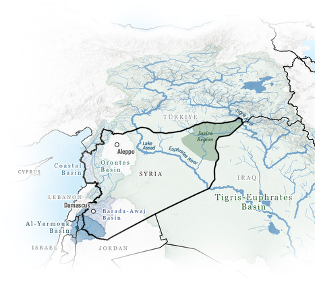
But prolonged drought, damaged irrigation systems, land contamination, policy constraints, and rising production costs have significantly reduced cultivated land. Additionally, rural grievances, such as protests against government-set wheat prices, can negatively affect agricultural output. Lower crop production reduces farmers’ incomes, threatens livelihoods, and contributes to food insecurity across the country.
Wheat production has been especially vulnerable to recent droughts and extreme temperatures. As harvests decline, families face higher food prices and greater difficulty accessing nutritious food, increasing poverty and dependence on humanitarian assistance.
Cultivation of drought-resistant crops and implementation of water-efficient irrigation processes could help remedy these issues.
Environmental Risks to Stability
Syria’s post-conflict landscape is a delicate patchwork of diverse resettlements. Nearly 2 million people have returned to areas where conflict and lack of funding have severely limited recovery of food, water, healthcare, and housing.
Such conditions fuel grievances and unmet expectations create opportunities for armed groups to gather recruits and strengthen the nation’s criminal network.
Environmental disasters, including droughts, floods, and wildfires, further undermine the nation’s fragile recovery process. Flooding damages temporary shelters and infrastructure, while drought limits water availability for households and agriculture.
Essential infrastructure, healthcare, housing, and public services remain severely damaged. Returnees have fewer opportunities to rebuild their lives, and frustration is high among communities that already face limited employment and government support. While these issues remain unaddressed, tensions could deepen and enable renewed fragmentation and extremist mobilization.
Looking Forward
Syria’s strained water infrastructure cannot be understood separately from its humanitarian and political challenges. Water scarcity, declining agricultural productivity, natural hazards, and eroding social cohesion have all created profound effects on people’s health, economic security, and ability to rebuild after years of conflict.
Addressing these environmental issues through improved water management, infrastructure restoration, sustainable agriculture, and disaster preparedness will be essential for protecting the nation’s natural resources, supporting the country’s long-term recovery, and improving the lives of millions of Syrians.
Since its inception, GWSC’s analysis team has completed more than 100 briefs. Examples of other recent nations and regions the team has analyzed include Iran, Venezuela, Mexico, Tajikistan, Liberia, and many others. Find more information about GWSC’s work here.