Like many equatorial countries, the coastal African nation of Liberia experiences alternating wet and dry seasons. However, the precipitation differences between them may grow more stark in coming years. The wet season is predicted to become wetter, while the dry season is predicted to become drier. Such changes in the seasonal pattern could increase strain on the country’s already degraded infrastructure, limiting economic development and negatively impacting the almost six million people who call Liberia home.
HISTORY
Long after the conclusion of Liberia’s civil wars in 2003, the country is still working to rebuild. Despite abundant natural resources like iron ore, diamonds, gold, rubber, and timber, the nation still experiences challenges such as widespread poverty, deteriorating infrastructure, and an ineffective government. Energy, education, health, transportation, and agricultural systems have not experienced proper growth and development. The effects of internal strife have now evolved into stubborn obstacles to the nation’s advancement.
WET SEASON
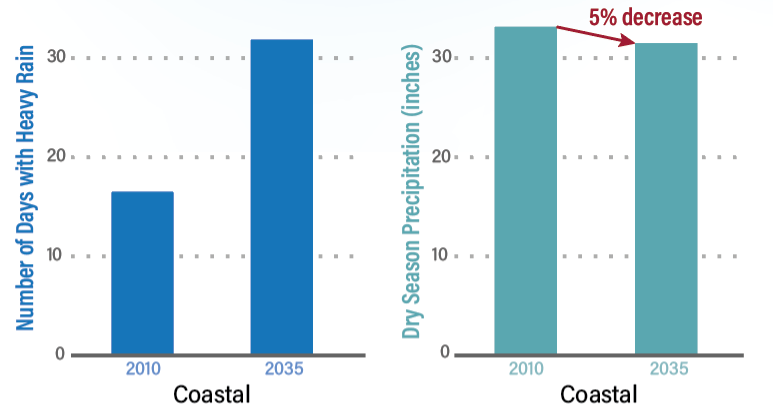
Increased rainfall during the coming wet seasons may negatively impact the people of Liberia in more ways than one. Heavy rain days are expected to double in Liberia’s coastal and plateau regions. With over 90% of the country’s roads unpaved, the rain could worsen erosion and make potholes even more abundant, rendering Liberia’s already fragile transportation network completely ineffective. Additionally, rural communities could be cut off from receiving vital education and healthcare resources, and urban areas could see a rise in the spread of sickness and disease. Even economic advancement could be stalled if mining and manufacturing products cannot be delivered via roadways.
DRY SEASON
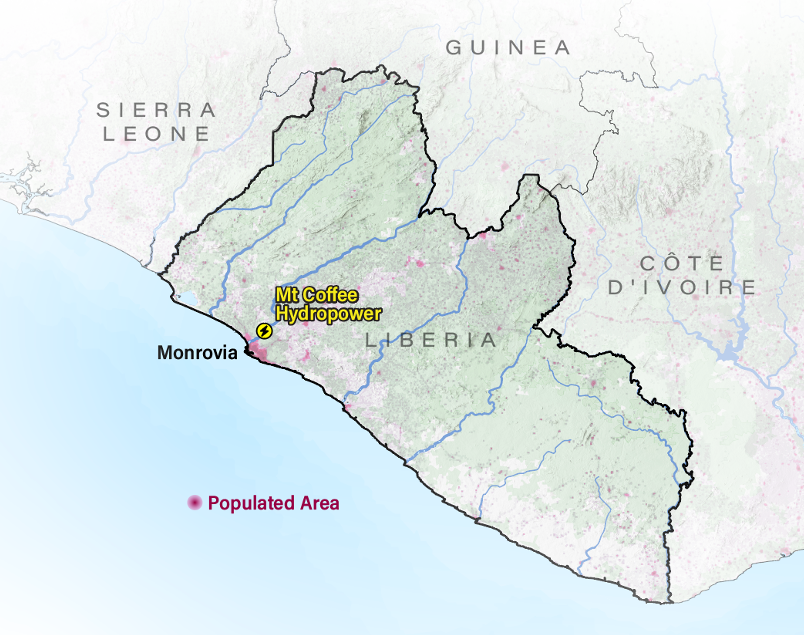
Both Liberia’s coastal and plateau regions could experience a 5% decrease in precipitation, which could create problems with agriculture, energy, and domestic water supply. Even though most of Liberia’s agricultural products are produced during the wet season, families rely on small gardens for supplemental crops during the dry season. As the dry season affects groundwater wells and creeks, almost a quarter of households must switch water sources and travel farther from home to meet daily needs. Furthermore, the predicted lack of rain hinders the nation’s plans to increase hydropower generation and improve the facility at Mt. Coffee. Not only does this potentially stall economic development, but it also makes electricity unreliable for the 30% of people who have access to it.
With seasonal patterns predicted to change, rebuilding infrastructure affected by civil war may continue to be a struggle for Liberia. Heavy rain days during the wet season are expected to increase and create issues with the nation’s vulnerable transportation network. And less rain during the coming dry seasons could reduce the amount of water available for household, hydropower, and agricultural efforts. The people of Liberia should prepare for worsened conditions as they work hard to improve their industries, economy, government, and daily lives.