This opinion article was written by GWSC Human-Environmental Analyst Dr. Penelope Mitchell, who coordinated the Busting Water Myths workshop with her fellow analysts Dr. Caily Schwartz and Penny Beames.
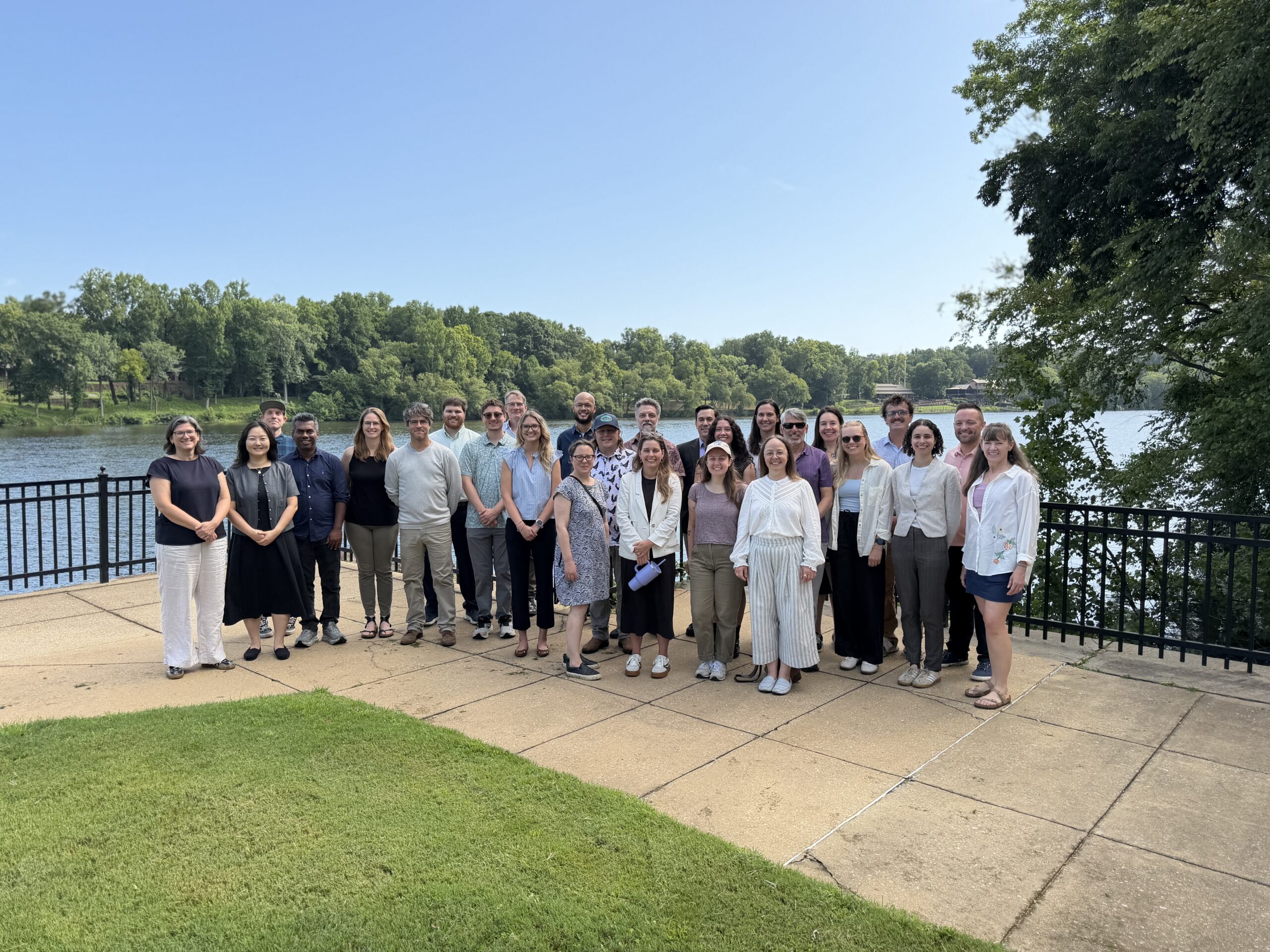
The Global Water Security Center recently hosted Busting Water Myths, an interdisciplinary workshop that brought together scholars, students, and practitioners working across water governance, environmental security, communications, political science, peacebuilding, and national security.
The event created space for experts who do not always share the same table to examine some of the most persistent assumptions about the relationship between water and conflict.
Ensuring national security increasingly depends on water security. Escalating water stress can undermine agriculture, energy, health, and peace, yet misconceptions about water and conflict continue to shape public debate and policy in unhelpful ways.
The workshop offered a setting to unpack these assumptions, examine where the narratives go astray, and explore the core truths behind each myth.
One of the most common myths the group unpacked was that water scarcity drives conflict. Like the many myths discussed, it contains an element of truth. Water scarcity can contribute indirectly to conflict. But much of the research shows that scarce water can also enable cooperation.
GWSC designed the workshop to be highly interactive. Participants worked collaboratively to identify water myths, discuss counterevidence, and consider ways to reframe the conversation for future research and policy engagement. This format encouraged richer dialogue and helped build connections across disciplines that do not always interact.
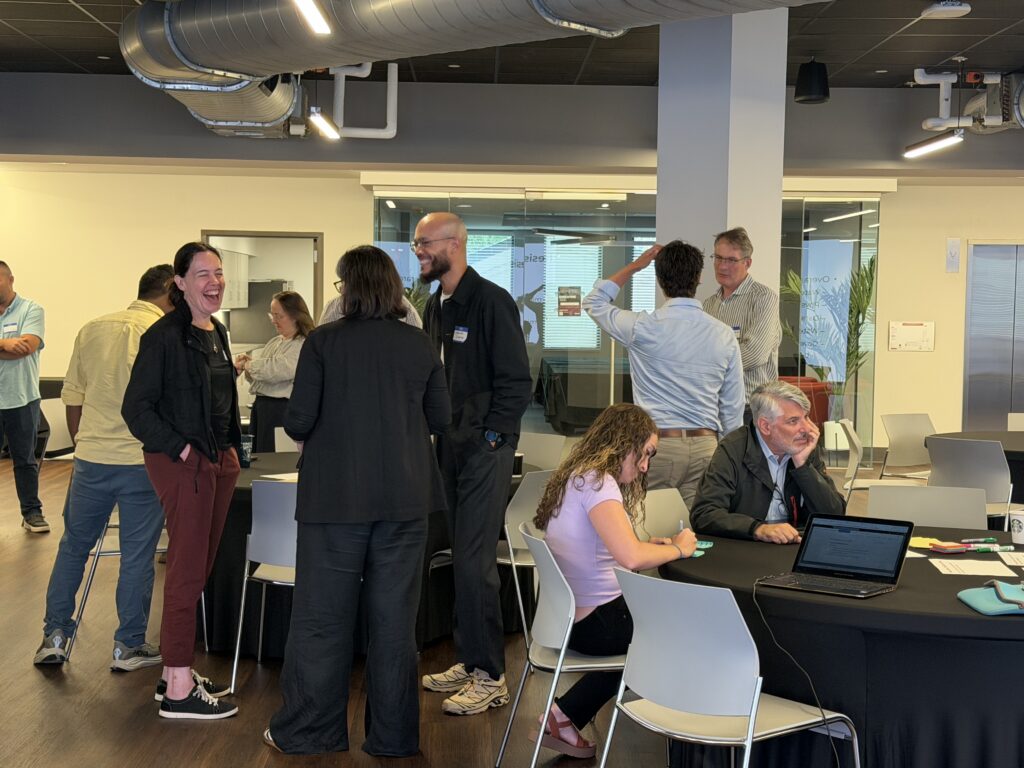
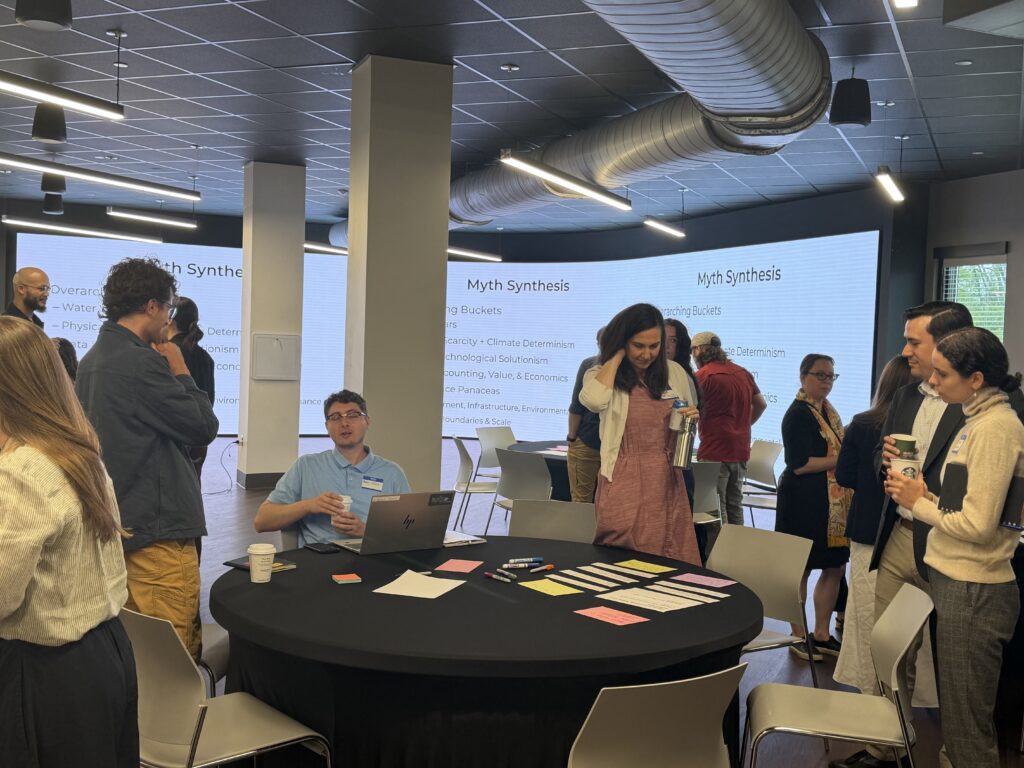
Graduate students and postdoctoral researchers were integrated throughout the event, creating opportunities for professional development, networking, and participation in this growing community of practice.
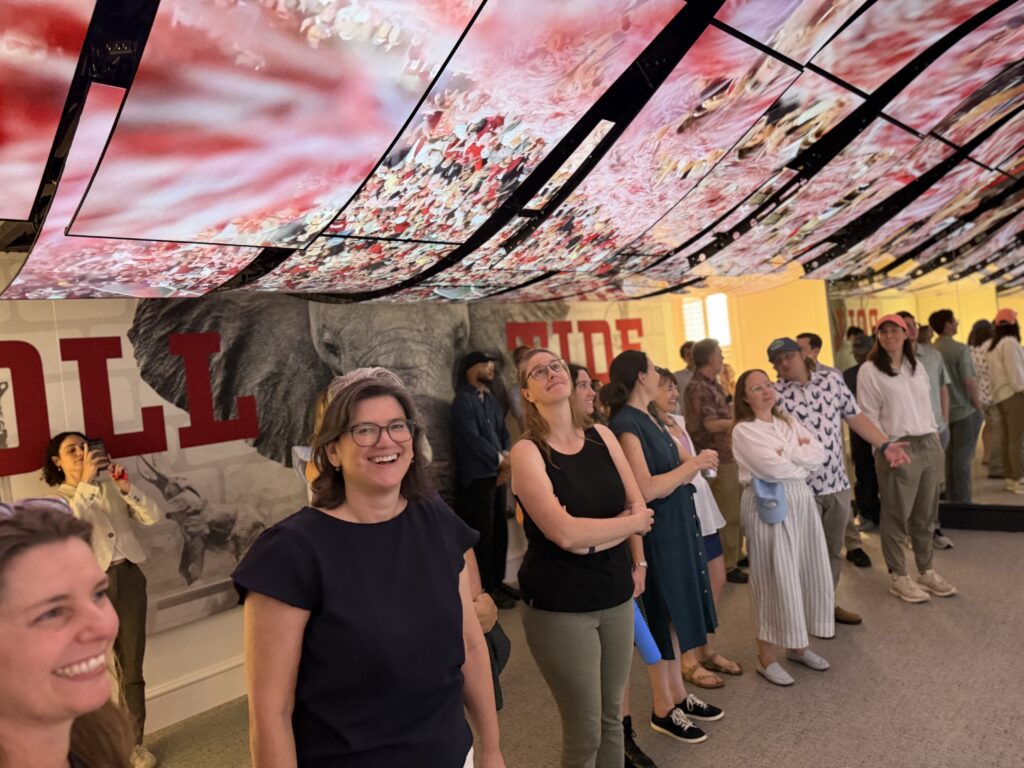
The workshop also included a Lunch & Learn with participants from the Alabama Water Institute’s summer programs, where Drs. Aaron Wolf (Oregon State University) and Melissa McCracken (Tufts University) presented Myths & Facts: Conflict & Cooperation Over Shared Waters and led a lively discussion on water conflict, water diplomacy, and the role of human nature in shaping both.
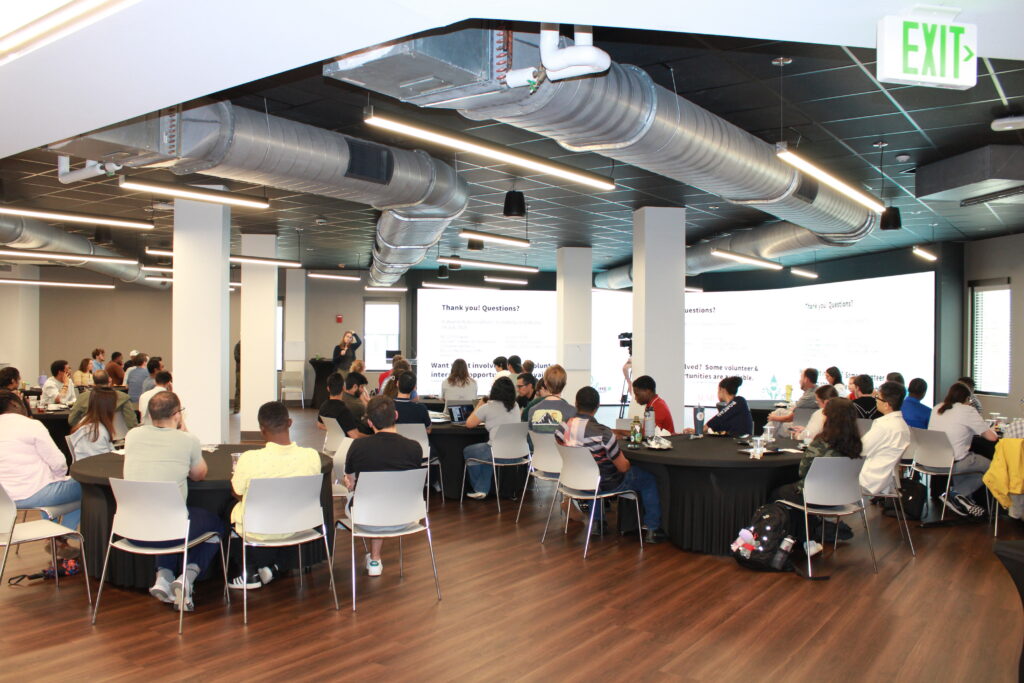
Workshop outputs aim to foster more nuanced conversations about water and conflict in scholarly and policy settings. Planned products include a peer-reviewed perspectives paper, along with short-form videos and op-eds designed for broader public audiences.
Busting Water Myths was supported in part by the UA Division for Research’s Conference Support Program, and we are grateful for that support in making the event possible.